

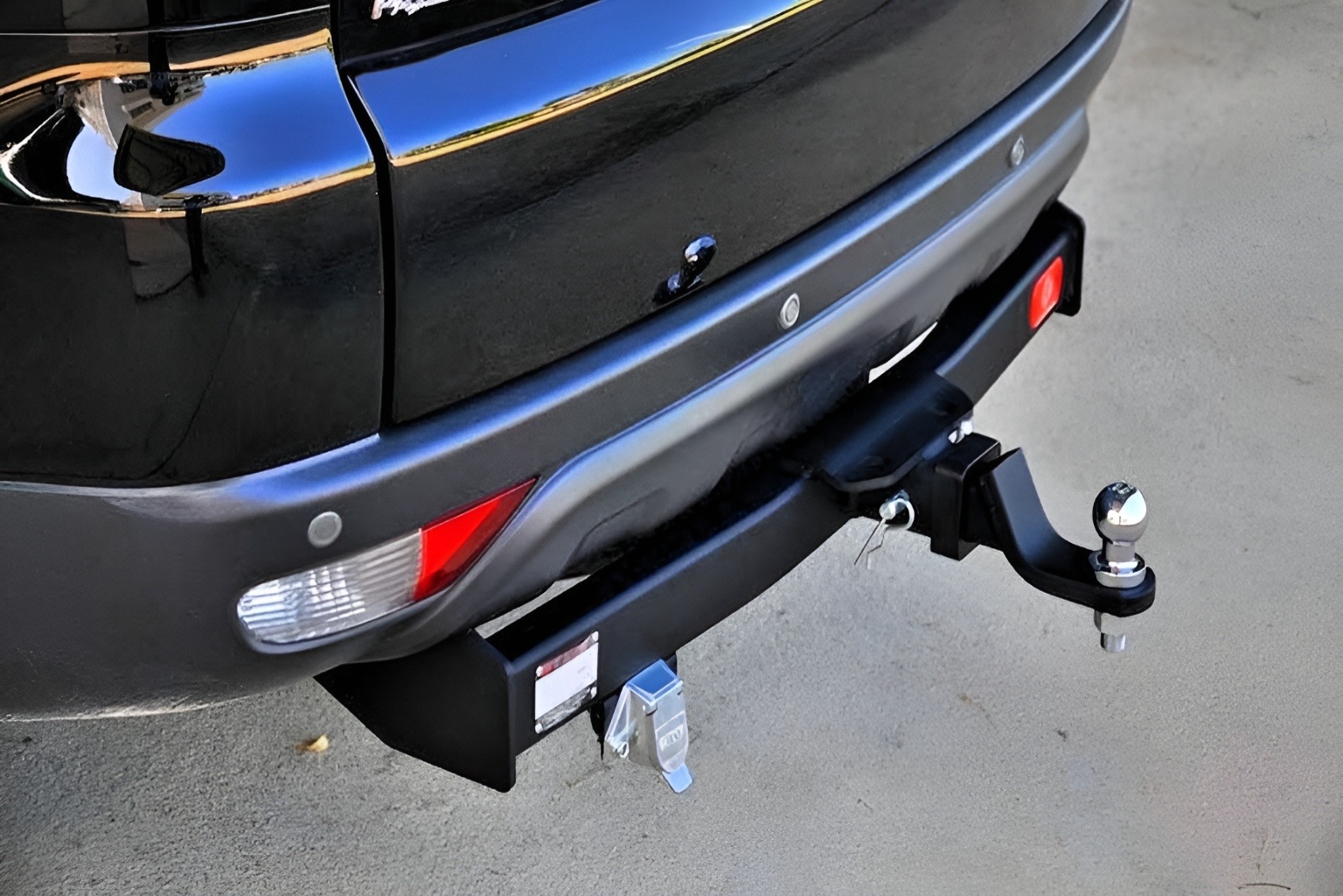
How to Choose the Right Towbar for Your Vehicle in Gold Coast
When it comes to towing safely and efficiently across the Gold Coast, Brisbane, or Melbourne, choosing the right towbar is more than just a technical decision—it’s an investment in safety, performance, and long-term reliability. Whether you’re towing a caravan for weekend getaways or hauling equipment for work, the right towbar setup ensures peace of mind on every journey.
This comprehensive guide covers everything you need to know—from towbar types and materials to legal requirements, maintenance, and expert tips.
Why Choosing the Right Towbar Matters
A towbar is not a one-size-fits-all solution. Selecting the wrong type can lead to:
- Reduced vehicle control and stability
- Increased fuel consumption
- Structural damage to your vehicle
- Legal compliance issues in Australia
A properly selected and Professionally Installed Towbar, trusted for strength and stability on Australian roads.
Understanding Towbar Classes & Towing Capacity
Before choosing a towbar, you need to understand your vehicle’s towing limits:
Key Terms:
- Towing Capacity – Maximum weight your vehicle can safely tow
- Towball Download – Downward force on the towball
- Gross Trailer Mass (GTM) – Weight supported by the trailer wheels
- Aggregate Trailer Mass (ATM) – Total trailer weight including load
For off-road and performance towing, we supply and install the durable Pro-Tow Predator, trusted for strength and stability on Australian roads.
Towbar Classes (Australia):
- Light Duty (Class 1–2): Small trailers, bike racks
- Medium Duty (Class 3): Camper trailers, small caravans
- Heavy Duty (Class 4+): Large caravans, boats, commercial loads
Choosing the correct class is essential to avoid overloading and ensure compliance.
Types of Towbars Explained
1. Fixed Towbars
Perfect for regular towing needs. These are robust, permanently attached systems ideal for tradies and frequent travellers.
2. Detachable Towbars
Designed for flexibility. Easily removable when not in use, making them great for maintaining vehicle aesthetics.
3. Swan Neck Towbars
Popular for European vehicles, offering a sleek, integrated design without a visible hitch receiver.
4. Heavy-Duty Towbars
Built for high-capacity towing, especially suited for commercial vehicles and long-haul usage.
Matching Towbars to Vehicle Types
Different vehicles require different towing solutions:
Motorhome Towbars
Motorhomes demand reinforced Motorhome Towbars to handle extended travel and additional load stress.
RV Towbars
RV Towbars are designed for comfort and safety during long-distance recreational travel, especially when towing caravans.
Truck Towbars
Truck Towbars are engineered for industrial strength and durability, often custom-built using advanced fabrication techniques.
Material Selection: Built to Last
- High tensile strength
- Excellent corrosion resistance (ideal for coastal climates like Gold Coast)
- Long lifespan with minimal maintenance
Aluminium Fabrication
- Lightweight and fuel-efficient
- Naturally rust-resistant
- Best suited for light to medium towing applications
At Kebar Manufacturing, we use precision-engineered materials to ensure every towbar meets Australian durability standards.
Essential Towing Accessories
To maximise safety and performance, pair your towbar with the right Towing Accessories:
- Electric Brake Controllers – Required for heavier trailers
- Weight Distribution Hitch – Improves vehicle balance
- Towball Mounts – Adjustable for different trailer heights
- Trailer Wiring Kits – Ensures proper signal communication
- Safety Chains & Couplings – Mandatory for compliance
These accessories are not optional—they’re critical for safe towing.
Importance of Professional Towbar Fitting
DIY installation might seem cost-effective, but it can compromise safety. Professional Towbar Fitting ensures:
- Correct mounting to chassis points
- Secure electrical connections
- Compliance with ADR (Australian Design Rules)
- Warranty protection
Improper installation can void insurance and create dangerous driving conditions.
Australian Legal & Safety Requirements
In Australia, towing setups must comply with strict regulations:
- Towbars must meet ADR standards
- Safety chains are mandatory
- Trailer brakes required for loads over 750kg
- Lights and indicators must be fully functional
Failing to comply can result in fines or liability in accidents.
Towing in Coastal Conditions (Gold Coast Advantage)
The Gold Coast’s coastal environment presents unique challenges:
- Salt air accelerates corrosion
- Humidity affects metal longevity
- Sand and debris can impact moving parts
This is why Stainless-Steel Fabrication is highly recommended for vehicles regularly used near the coast.
Maintenance Tips for Long-Term Performance
To keep your towbar in top condition:
- Inspect bolts and mounts regularly
- Clean after beach or saltwater exposure
- Lubricate moving parts
- Check wiring connections
- Look for rust or structural wear
Routine maintenance extends lifespan and ensures safety.
Commercial vs Recreational Towing Needs
Commercial Use
- Requires heavy-duty Truck Towbars
- Focus on durability and load capacity
- Frequent usage demands premium materials
Recreational Use
- RV Towbars or Motorhome Towbars are ideal
- Focus on comfort, safety, and flexibility
- Often paired with caravans or boats
Understanding your usage helps you choose the right solution.
Why Choose Kebar Manufacturing?
Kebar Manufacturing is a trusted name across Brisbane, Gold Coast, and Melbourne for high-quality towing solutions.
We specialise in:
- Custom Stainless Steel Fabrication
- Precision Aluminium Fabrication
- Expert Towbar Fitting
- Premium Towing Accessories
- Tailored Motorhome Towbars, RV Towbars, and Truck Towbars
Our team combines engineering expertise with industry experience to deliver reliable, long-lasting results.
Expert Tips Before You Buy
- Always check your vehicle’s manual for towing limits
- Choose corrosion-resistant materials for coastal areas
- Invest in professional installation
- Don’t compromise on accessories
- Plan for future towing needs, not just current ones
Conclusion
Choosing the right towbar isn’t just about hooking up a trailer—it’s about ensuring safety, efficiency, and durability every time you hit the road. From understanding towbar classes to selecting the right materials and accessories, every detail matters.
With Kebar Manufacturing, you’re not just getting a towbar—you’re getting a complete, engineered solution tailored to your vehicle and lifestyle.
Get in Touch
Ready to upgrade your towing setup? Contact Kebar Manufacturing Today , for expert advice, custom fabrication, and professional installation across Brisbane, Gold Coast, and Melbourne.
Tow smarter. Tow safer. Tow with Kebar Manufacturing.
FAQs
1. How do I know if my vehicle is compatible with a specific towbar?
Every vehicle has manufacturer-defined towing limits and compatible towbar designs. It’s important to check your owner’s manual or consult a professional installer to ensure the towbar matches your vehicle’s chassis, towing capacity, and electrical system.
2. Can I upgrade my towbar to tow heavier loads later?
Upgrading is possible, but it depends on your vehicle’s maximum towing capacity. Even if you install a higher-class towbar, you must never exceed the vehicle’s rated limits. Always plan and choose a towbar that aligns with both current and future towing needs.
3. Do I need a special towbar for towing in coastal areas like the Gold Coast?
Yes, coastal environments can accelerate corrosion due to salt and humidity. Choosing a towbar made from stainless steel or corrosion-resistant materials is highly recommended for durability and long-term performance in coastal regions.
4. How often should a towbar be inspected or serviced?
It’s best to inspect your towbar every 6–12 months, or more frequently if you tow regularly. Key checks include bolt tightness, rust, wiring connections, and overall structural integrity to ensure safe operation.