

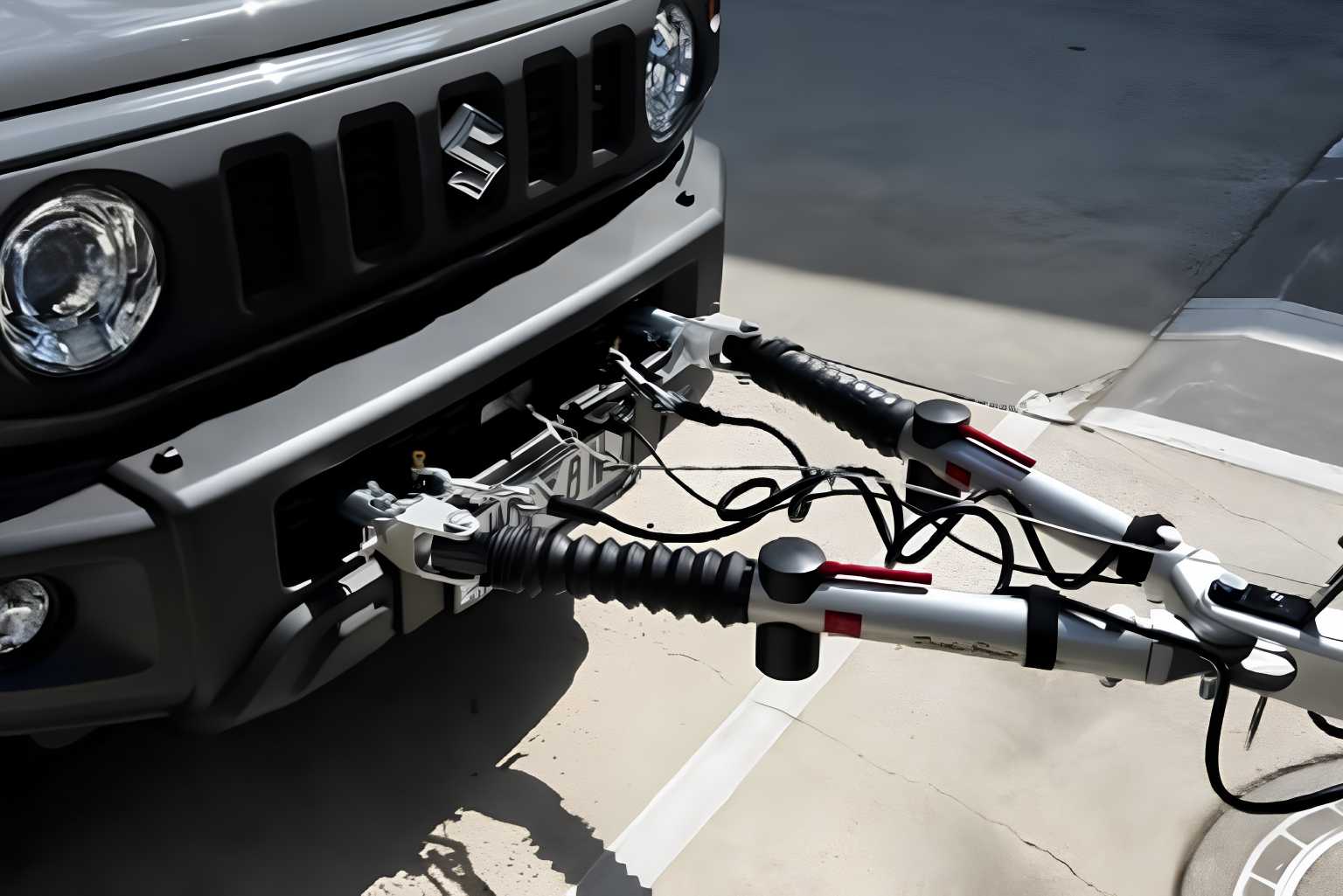
How to Choose the Right Towbar for Your Caravan or Trailer
There is nothing quite like the freedom of hooking up a caravan or trailer and hitting the open road. Whether you are packing up the family for a long-awaited holiday, towing a boat out for a weekend on the water, or hauling heavy machinery and tools from one jobsite to the next, a reliable setup makes all the difference.But behind every successful trip is a critical, often overlooked piece of hardware: your towbar.
Choosing the right towbar isn’t just about finding something that bolts onto your chassis; it’s one of the most vital decisions you can make for road safety, vehicle stability, and legal compliance. A mismatched or poorly fitted towbar can cause dangerous trailer sway, place massive structural strain on your vehicle, and potentially void your insurance.
At Kebar Manufacturing, we specialize in custom towbar fabrication and high-end towing systems built to survive the harshest Australian conditions. Let’s look at exactly how to find the perfect towing match for your vehicle.
1. Know Your Numbers: Assessing Your Towing Needs
Before you start shopping around or booking a fabrication service, you need to clearly define what your vehicle will actually be pulling. A lightweight, single-axle box trailer for weekend tip runs requires a completely different engineering setup than a multi-tonne, offroad caravan.
When calculating your requirements, keep these four critical factors in mind:
- Total Trailer Weight: The overall weight of your trailer or caravan when it is fully loaded with water, fuel, luggage, and gear.
- Towball Download Weight: The amount of weight pressing straight down onto the towball of your vehicle. This is usually around 10% of the total loaded trailer weight.
- Towing Frequency: Are you hitching up once a year for an annual holiday, or is this a daily workhorse setup?
- Terrain Profiles: Will you stick to smooth tarmac, or are you planning to rattle down heavily corrugated outback dirt tracks?
2. Deciphering Your Vehicle’s Legal Limits
Your towbar is only as capable as the vehicle it is attached to. Every vehicle manufacturer specifies strict towing capacities, and exceeding these limits is highly illegal on Australian roads. Check your owner’s manual or the placard inside the driver’s door pillar for these absolute maximum numbers:
Maximum Braked Towing Capacity: The maximum weight your vehicle can legally pull if the trailer has its own braking system.
Gross Combination Mass (GCM): The maximum allowable total weight of your vehicle and trailer combined, including all passengers, fuel, and luggage.
Choosing a towbar that perfectly aligns with your vehicle’s factory engineering guarantees your chassis handles the stress smoothly without bending or wearing out your transmission prematurely.
3. Choosing the Right Towbar Type
Towbars are classified into distinct categories based on their design and structural capacity. Finding the right style ensures you aren’t paying for unneeded bulk—or worse, overloading a lightweight hitch.
- Light-Duty Towbars (Class 2): Typically rated up to 1,200 kg. These feature a fixed tongue design and are perfect for small box trailers, jet skis, or mounting a family bike rack.
- Medium-Duty Towbars (Class 3): Generally rated up to 1,600 kg. They utilize a specialized hitch section and handle mid-sized boats or smaller pop-top campers easily.
- Heavy-Duty Towbars (Class 4): The heavy-hitters, typically rated up to 3,500 kg or more. They feature a signature 50 mm x 50 mm square removable receiver box. This is the go-to choice for large caravans, horse floats, and commercial trade trailers.
- Custom Fabricated Towbars: If you drive a modified vehicle, a classic classic truck, a vehicle with an aftermarket tray, or an imported model without standard accessories, off-the-shelf towbars simply won’t fit. Custom fabrication guarantees a perfect, tailored connection directly to your vehicle’s unique structural points.
4. Prioritizing ADR Compliance for Australian Roads
In Australia, towbars aren’t just pieces of welded steel; they are highly regulated safety components. Any towbar fitted to your vehicle must comply with Australian Design Rules (ADR).
ADR-compliant towbars undergo rigorous stress testing, mimicking years of heavy towing vibration and fatigue in a laboratory setting before ever hitting production. Opting for a certified fabrication specialist means your towbar features a clearly marked compliance plate, giving you total peace of mind that your rig is entirely legal, structurally sound, and fully covered by your insurance policy if things ever go wrong on the highway.
5. The Pitfall of Short-Term Thinking
One of the most common mistakes vehicle owners make is buying a towbar based solely on what they own today.
If you install a light-duty towbar now for a small trailer, but plan to upgrade to a larger boat or a family caravan in two years, you will end up paying double for removal, a new towbar, and brand-new installation down the track. If your vehicle has the capacity, investing in a heavy-duty receiver towbar from the start gives you the ultimate future-proof versatility.
6. Why Professional Installation is Non-Negotiable
A high-quality towbar is only as safe as the installation behind it. Modern vehicles feature complex crumple zones, sophisticated electrical wiring grids, and blind-spot monitoring systems that integrate deeply with the rear bumper structure.
Professional installation ensures:
- Perfect Structural Realignment: Mounting the towbar cleanly to the designated factory chassis points without compromising structural crumple zones.
- Seamless Electrical Integration: Wiring up trailer plugs, electric brake controllers, and reversing cameras without triggering dashboard fault lights or frying sensitive vehicle modules.
- Corrosion Prevention: Sealing all drilled surfaces professionally to stop hidden rust from attacking your vehicle’s frame.
Why Choose Kebar Manufacturing?
At Kebar Manufacturing, we live and breathe precision metalwork. We understand that a towbar isn’t just an accessory-it is the literal lifeline connecting your vehicle to your lifestyle or business.
We take immense pride in delivering top-tier engineering, using premium grade steels and flawless welding techniques to build heavy-duty towing systems that handle the unique, punishing realities of Australian roads. From bespoke custom bar fabrications and professional installations straight through to general structural metal and stainless steel work, our team treats your vehicle with absolute care.
Final Thoughts
Your towbar is the foundation of every single road trip, work delivery, and weekend escape. Taking the time to understand your weights, cross-checking your vehicle’s legal capacities, and choosing a certified, professional installation means you can hitch up and head off without a single worry in your mind.
Ready to get your vehicle kitted out with a rock-solid, dependable towing setup? Get in touch with the team at Kebar Manufacturing today, and let’s build a custom solution tailored to your exact needs!
FAQs
What type of towbar is best for a caravan?
Heavy-duty or custom-fabricated towbars are generally best for caravans because they provide greater towing strength, stability, and durability for long-distance travel.
How do I know if a towbar fits my vehicle?
A towbar must match your vehicle’s towing capacity, chassis design, and manufacturer specifications. Professional assessment ensures proper compatibility.
Are custom towbars better than universal towbars?
Custom towbars are often more reliable because they are designed specifically for your vehicle and towing requirements, offering improved fitment and performance.
Why is ADR compliance important for towbars?
ADR compliance ensures the towbar meets Australian safety regulations and has been tested for safe towing performance.
Can I install a towbar myself?
Professional installation is strongly recommended to ensure safe mounting, correct wiring, and compliance with towing regulations.
How often should a towbar be inspected?
Regular inspections are recommended, especially before long trips or heavy towing, to check for wear, corrosion, or mounting issues.